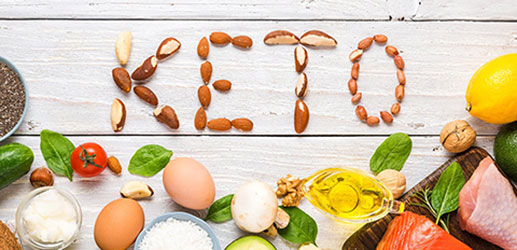
Limit protein intake. A keto diet or low carb diet is not a high protein diet! Low carb is generally higher in protein than keto, but be careful with both. High protein diets can stress the kidneys, and besides, excess protein converts to glucose. Make your protein intake a goal to meet each day, but more than that is not better.
Use fat as a lever. We've been taught to fear fat, but don't! Both keto and low carb are high fat diets. Fat is our source of energy as well as satiety. The key to understand, though, is that fat is a lever on a low carb or keto diet. Carbs and protein stay constant, and fat is the one you increase or decrease (push the lever up or down) to gain or lose weight, respectively. So if your goal is weight loss, eat enough fat to be satisfied, but there's no need to "get your fats in" once you're satisfied.
Drink lots of water. This is especially crucial on a low carb or keto diet. Why? When you eat carbohydrates, your body stores the extra glycogen in the liver, where they are bound to water molecules. Eating low carb depletes this glycogen which allows you to burn fat - but it also means you are storing less water, making it easier to get dehydrated. Instead of the traditional recommendation of 8 cups of water per day, aim for 16 cups when following a low carb lifestyle.
Keep up electrolytes. The major electrolytes in our bodies are sodium, potassium and magnesium. Because a low carb diet (especially a keto diet!) reduces the amount of water you store, this can flush out electrolytes and make you feel sick (called "keto flu"). This is temporary, but you can avoid or eliminate it by salting your food liberally, drinking broth (especially bone broth), and eating pickled vegetables. Some people also choose to take supplements for electrolytes, but it's best to first consult a doctor that understands and supports keto/low carb lifestyles.
Eat only when you are hungry. Get out of the mindset that you need to eat 4-6 meals per day or constantly snack. Eating too frequently on a keto or low carb diet is not necessary, and can affect weight loss. Eat when you're hungry, but if you aren't, don't. Eating fewer carbs will make this much easier, as it naturally suppresses appetite.
Focus on whole foods. Although eating natural or whole foods is technically not 100% required to restrict carbohydrates, eating processed foods will not help you get rid of cravings or be good for your body. Check the section below for more on what low carb foods are best.
Exercise. This is not required for a low carb diet but recommended. You'll feel better, improve your health, and if your goal is weight loss, it will happen faster!
Foods to Eat
Meat: Red meat, steak, ham, sausage, bacon, chicken, and turkey.
Fatty fish: Such as salmon, trout, tuna, and mackerel.
Eggs: Look for pastured or omega-3 whole eggs.
Butter and cream: Look for grass-fed when possible.
Cheese: Unprocessed cheese (cheddar, goat, cream, blue, or mozzarella).
Nuts and seeds: Almonds, walnuts, flax seeds, pumpkin seeds, chia seeds, etc.
Healthy oils: Primarily extra virgin olive oil, coconut oil, and avocado oil.
Avocados: Whole avocados or freshly made guacamole.
Low-carb veggies: Most green veggies, tomatoes, onions, peppers, etc.
Condiments: You can use salt, pepper, and various healthy herbs and spices.
Foods to Avoid
Sugary foods: Soda, fruit juice, smoothies, cake, ice cream, candy, etc.
Grains or starches: Wheat-based products, rice, pasta, cereal, etc.
Fruit: All fruit, except small portions of berries like strawberries.
Beans or legumes: Peas, kidney beans, lentils, chickpeas, etc.
Root vegetables and tubers: Potatoes, sweet potatoes, carrots, parsnips, etc.
Low-fat or diet products: These are highly processed and often high in carbs.
Some condiments or sauces: These often contain sugar and unhealthy fat.
Unhealthy fats: Limit your intake of processed vegetable oils, mayonnaise, etc.
Alcohol: Due to their carb content, many alcoholic beverages can throw you out of ketosis.
Sugar-free diet foods: These are often high in sugar alcohols, which can affect ketone levels in some cases. These foods also tend to be highly processed.